Torch Down Roofing | A Fiery Roofing Method With Benefits
Norman Roofing • July 10, 2025
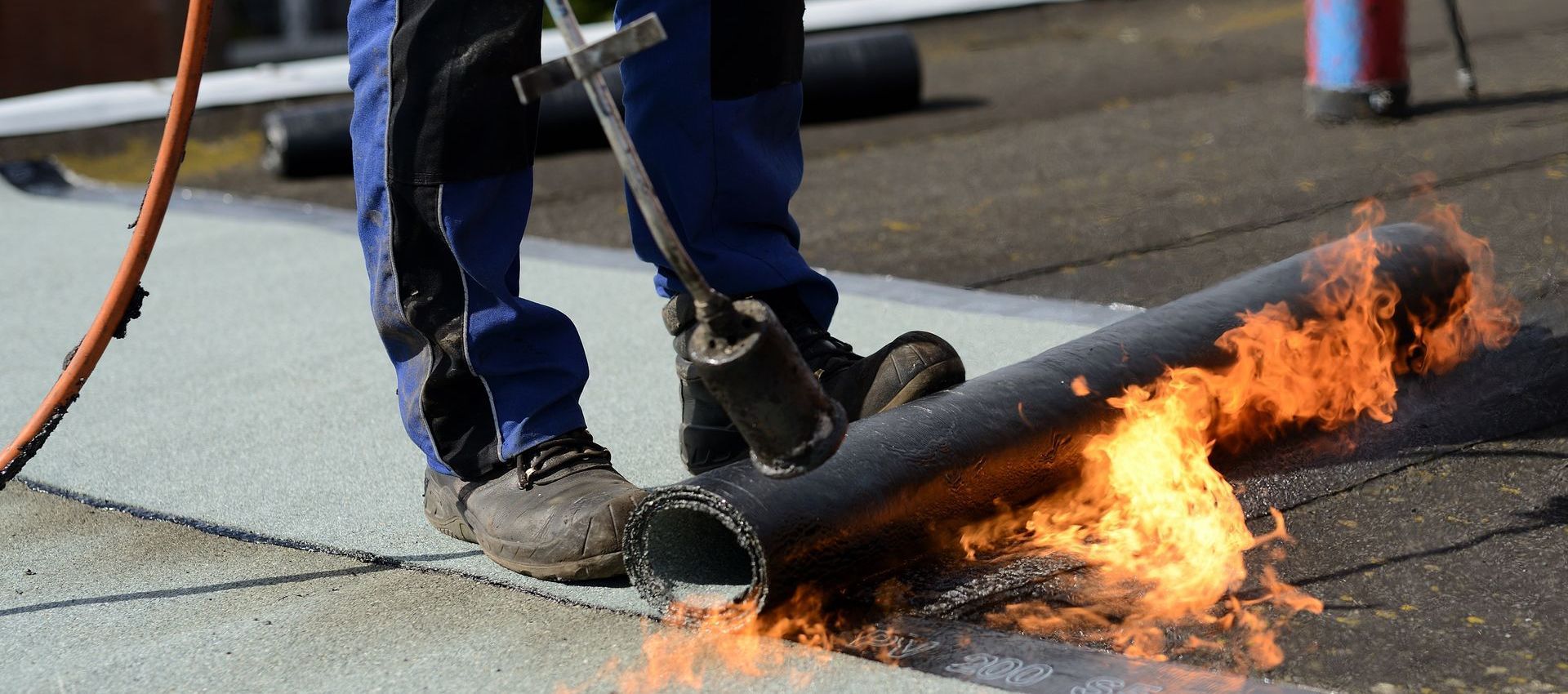
A man is using a torch to burn a roll of roofing material on a roof.

If you’ve ever stumbled across a roofing video online or have seen roofers carrying torches, you might be curious as to why this type of equipment is needed for a roofing job. While the fiery flames might catch your attention, torches aren’t just for show; they’re a practical tool that helps roofers to install a specific type of roofing material. In this blog, we’ll explore how torch down roofing works and why it's used in some commercial roofing projects.


So, What Is Torch Down Roofing?


Simply put, torch down roofing is an application method. It’s used to install a roofing system called modified bitumen, which is a flexible material that’s rolled onto the structure. Once in place, a propane torch is used to heat the bottom of the modified bitumen, forcing it to melt and adhere to the underlying structure. This method ensures that the modified bitumen forms a watertight seal, which lowers the likelihood of leaks appearing within the roofing structure. 


Is Torch Down Roofing Used for Other Roofing Systems?


While torch down roofing can be used to apply single-ply membranes, this is not typically done.  This method is used specifically for modified bitumen as it requires intense heat to properly bond to the roofing structure. If you see a roofer using the torch down method, it’s more than likely that they’re working with modified bitumen. 


Why Does Modified Bitumen Require Intense Heat?


This method is primarily used because modified bitumen is made from a mixture of asphalt and polymer (which can be either plastic or rubber.) This unique combination requires intense heat to form a solid seal between the material and the roofing structure. Without sufficient heat, the seams may not seal correctly, leading to potential leaks and system failure.
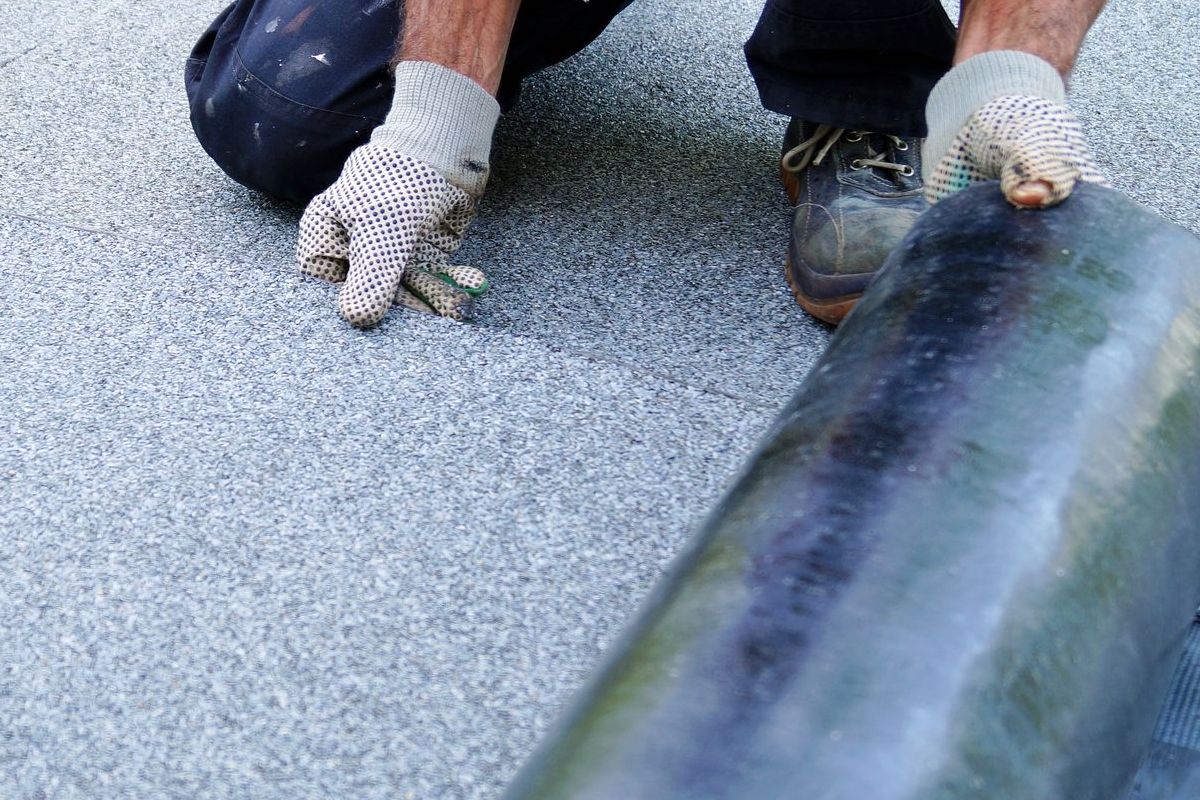
A man is kneeling down on a roof with a roll of roofing material.

Is This Method Dangerous?


Yes, this method can be quite dangerous, especially if someone isn’t trained to handle the equipment. If not used with caution, an open torch can result in burns or start fires if it’s placed too close to other materials. Plus, these roofing types can release volatile organic compounds (VOCs.) If inhaled, these chemicals can negatively impact your respiratory system. 


Modified Bitumen as a Roofing Material


While the installation process requires skilled labor and protective equipment, modified bitumen is still a viable roofing option. It’s an incredibly durable material that forms a watertight seal, which is ideal for low-slope roofs that are vulnerable to pooling. 


Additionally, this roofing material is able to withstand a range of conditions, including:

  • Intense heat – Modified bitumen maintains its integrity in high temperatures, making it ideal for hot climates.
  • UV rays – Its UV-resistant surface helps prevent degradation from constant sun exposure.
  • Heavy rainfall – The waterproof layers create a strong barrier that keeps moisture out, even during intense storms.
  • Strong winds – When properly installed, it adheres tightly to the roof deck, resisting wind uplift and damage.
  • Humidity – Its moisture-resistant properties reduce the likelihood that mold and mildew will develop.
  • Punctures – Modified bitumen is less likely to be punctured due to its thick, reinforced layers.


While more precaution is required during installation, skilled roofers are able to successfully install modified bitumen, albeit at a higher cost. For some businesses, the higher price point is justified by its immense protection against weather and heat. 


If you’re considering modified bitumen as your next roofing material, it’s advised that you do some research to see if the material is the right fit for your business. Other roofing options similar to modified bitumen include TPO, PVC and EDPM


Before you make any decisions, it’s always recommended to seek advice from a professional roofer. They can access your current roof and determine if modified bitumen is the right fit for your roofing project.


Looking for Experienced Roofers? Give Norman Roofing a Call Today!


Need expert roofing services? Contact the pros at Norman Roofing today! Located in Meridian, we’ve been serving communities across Mississippi and Alabama for 48 years. 


We not only perform commercial and industrial roof installations, but we also offer emergency roofing services and metal roofing services. If you're ready to work with a team that values quality craftsmanship, give us a call at 601-483-4079. To learn more about our roofing options, visit our website by clicking the link here


By Norman Roofing October 28, 2025
For industrial buildings in Mississippi, a reliable roof is essential for success. Roofs must withstand the state’s humid climate, heavy rainfall and occasional storms without compromising safety or durability. While a variety of roofing options are available, four materials dominate the industrial roofing market: metal, EPDM, TPO and PVC. So, which roofing material is the best fit for your business? In this guide, we’ll break down the options that perform most effectively in Mississippi, helping you make an informed choice for your facility. Metal Designed to last anywhere between 40 and 70 years, metal roofs are incredibly durable. They’re able to withstand Mississippi’s harsh weather and are fire-resistant. For industrial buildings, this is a great advantage when it comes to safety. Plus, metal roofs are lightweight and require fewer support structures than traditional materials. However, it’s important to note that they typically cost more than other materials since they require specialized skill and labor for installation. Plus, added insulation may be needed to keep energy costs down. EDPM Made from synthetic rubber, EDPM is another ideal option for industrial buildings. The roofing material is resistant to UV rays, harsh weather and a variety of chemicals that are commonly used in industrial work. Typically, this material lasts for about 20 to 30 years and is easy to install. While EPDM offers excellent chemical resistance, it is prone to tearing from foot traffic and debris. Additionally, you may want to consider a lighter-colored EPDM. While lighter colors are more expensive, they absorb less heat than the traditional black color. TPO Similarly, TPO is resistant to both UV rays and chemicals. Its flexibility allows it to withstand the intense heat of Mississippi summers. While this material typically lasts 15 to 30 years, it's easier to install than other roofing materials and can lower energy costs. While TPO can be used on a variety of industrial buildings, it’s not as resistant to grease and chemicals as EPDM. Prolonged exposure may cause this roofing material to degrade over time, potentially leading to leaks. PVC This single-ply membrane is often used in chemical processing plants for its ability to withstand harsh chemicals. PVC roofs are also moisture-resistant, which is beneficial for roofs in the southeast that are exposed to constant humidity. Typically, PVC roofs can last anywhere from 20 to 30 years. While PVC is a viable option, it tends to cost more than other materials. This is largely due to the special skills needed to install the material safely and efficiently. What Material Should MS Industries Use? Often, roofing material is selected based on the specific requirements of the industry. Here are some common industries where material selection plays a critical role: Automotive manufacturing – Requires a material that’s able to withstand chemicals, intense heat and humidity. While EPDM is popular in older facilities, TPO is ideal for newer ones due to its ability to reflect light. Textile mills – For the most chemical resistance, EPDM is often used in textile mills, where frequent exposure to dyes and other chemicals can wear down other roofing materials. Shipbuilding – Since these facilities cover lots of ground, it's not uncommon to see metal roofing in shipbuilding facilities. However, metal roofs must have a protective coating to prevent corrosion from salt air and excessive humidity. Distribution centers – TPO is commonly used for newer facilities since it reflects light and stands up well against harsh weather. EPDM and BUR are commonly found in older facilities. Agricultural buildings – Metal is typically used since it’s exceptionally durable and resistant to pests. Since farms are especially vulnerable to pests, metal roofing is a practical choice for buildings that house feed and livestock. Looking for a Commercial Roofer? Norman Is Here To Help! Whether you’re upgrading your roof or installing one from scratch, Mississippi businesses can rely on a trusted partner. For over 40 years, Norman Roofing has provided the Southeast with expert roofing solutions designed to withstand harsh weather, debris and everyday wear. If you’re looking for honest roofers, call Norman Roofing today at 601-483-4079 to get started on your next project. To explore our other services, including metal panel installation, visit our website by clicking the link here .
White corrugated metal building walls against a bright blue sky with wispy clouds.
By Norman Roofing October 28, 2025
Once limited mainly to industrial buildings, modern advancements in technology now allow these metal panels to be used across a wide range of commercial spaces.
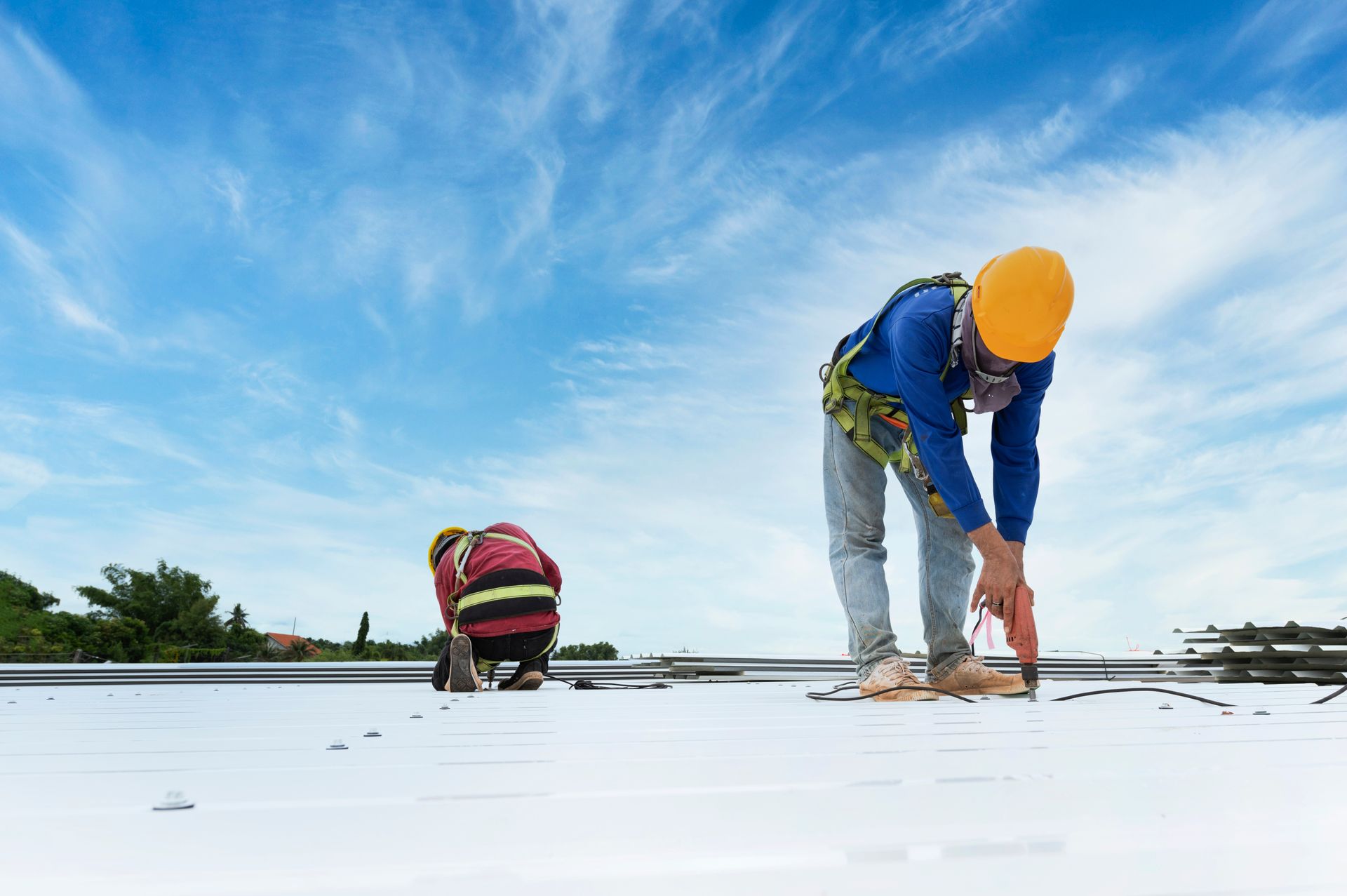
Two roofers on a flat roof, working under a blue sky. One kneels, the other uses a drill.
By Norman Roofing September 18, 2025
From unexpected costs to incomplete work, here's six red flags that Gulf Coast businesses should watch out for when it comes to hiring contractors for storm repairs.
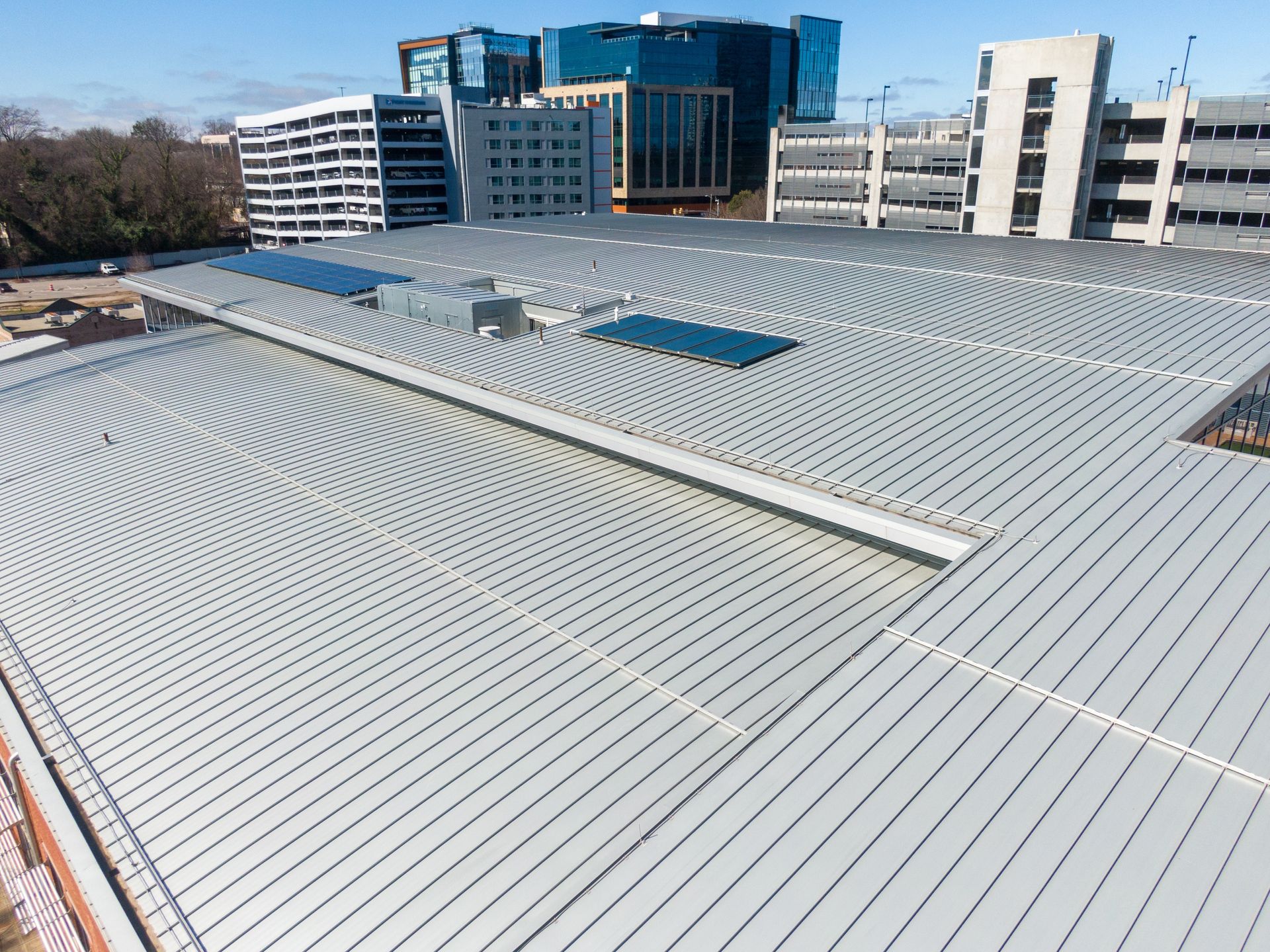
Metal roof of a modern building with several tall structures in the background on a sunny day.
By Norman Roofing September 18, 2025
Whether it's for a commercial building or an industrial facility, metal roofing offer multiple ways to improve efficiency for businesses across Mississippi.
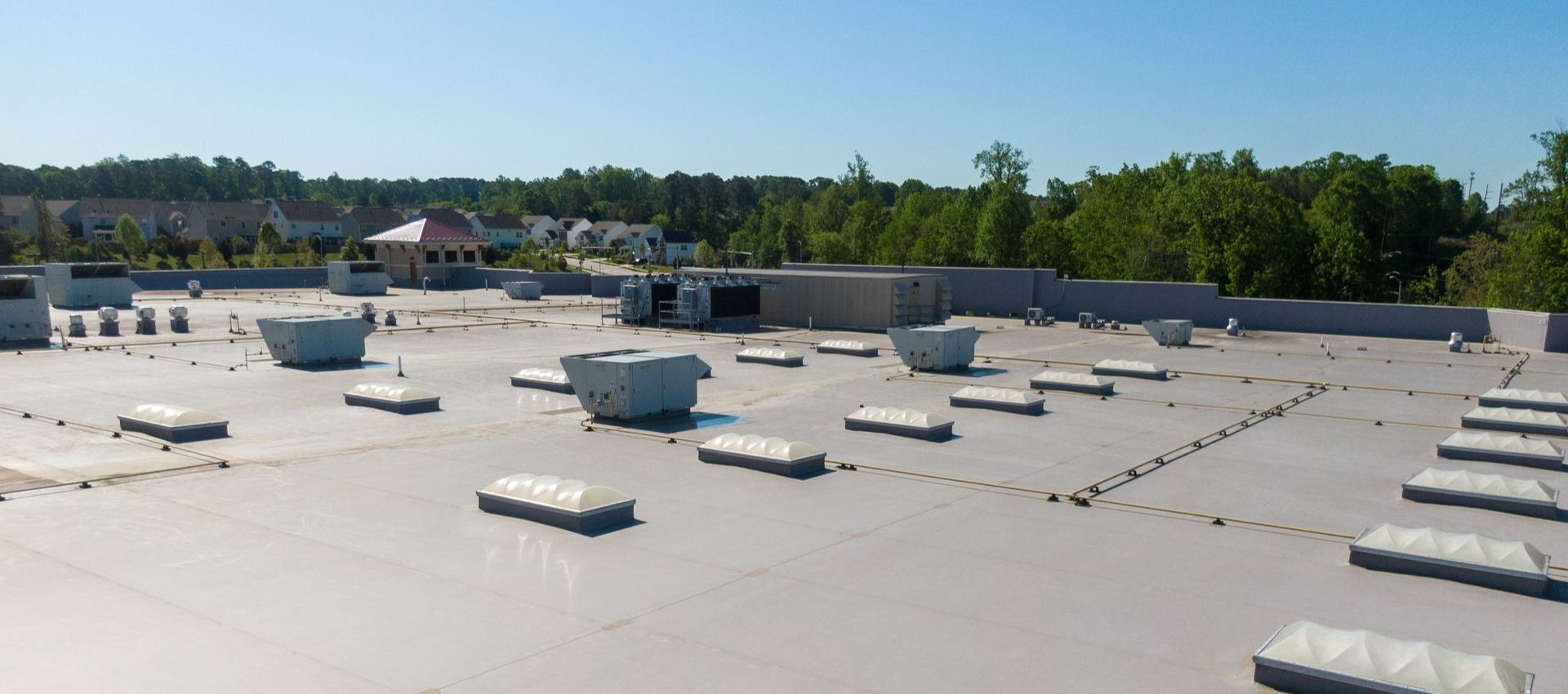
Flat commercial roof with skylights and vents under a blue sky.
By Norman Roofing September 2, 2025
Let’s take a closer look at some common TPO roof problems and what Mississippi business owners can do to prevent damage to their systems.
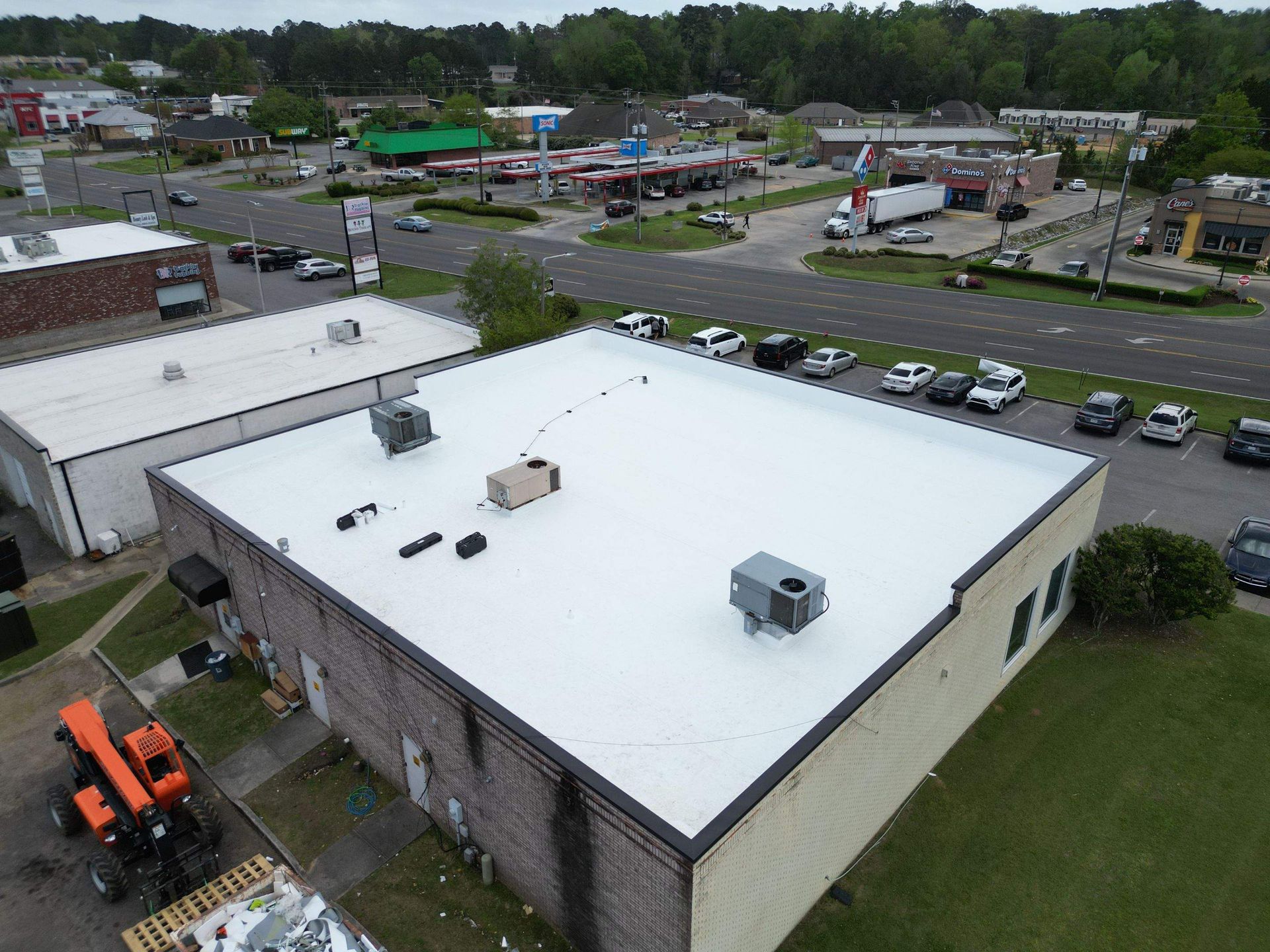
Aerial view of a building with a white roof and parking lot, in a commercial area with cars and green trees.
By Norman Roofing September 2, 2025
To help property owners stay ahead, here are four of the most common commercial roofing issues in Mississippi and what you can do to protect your investment.
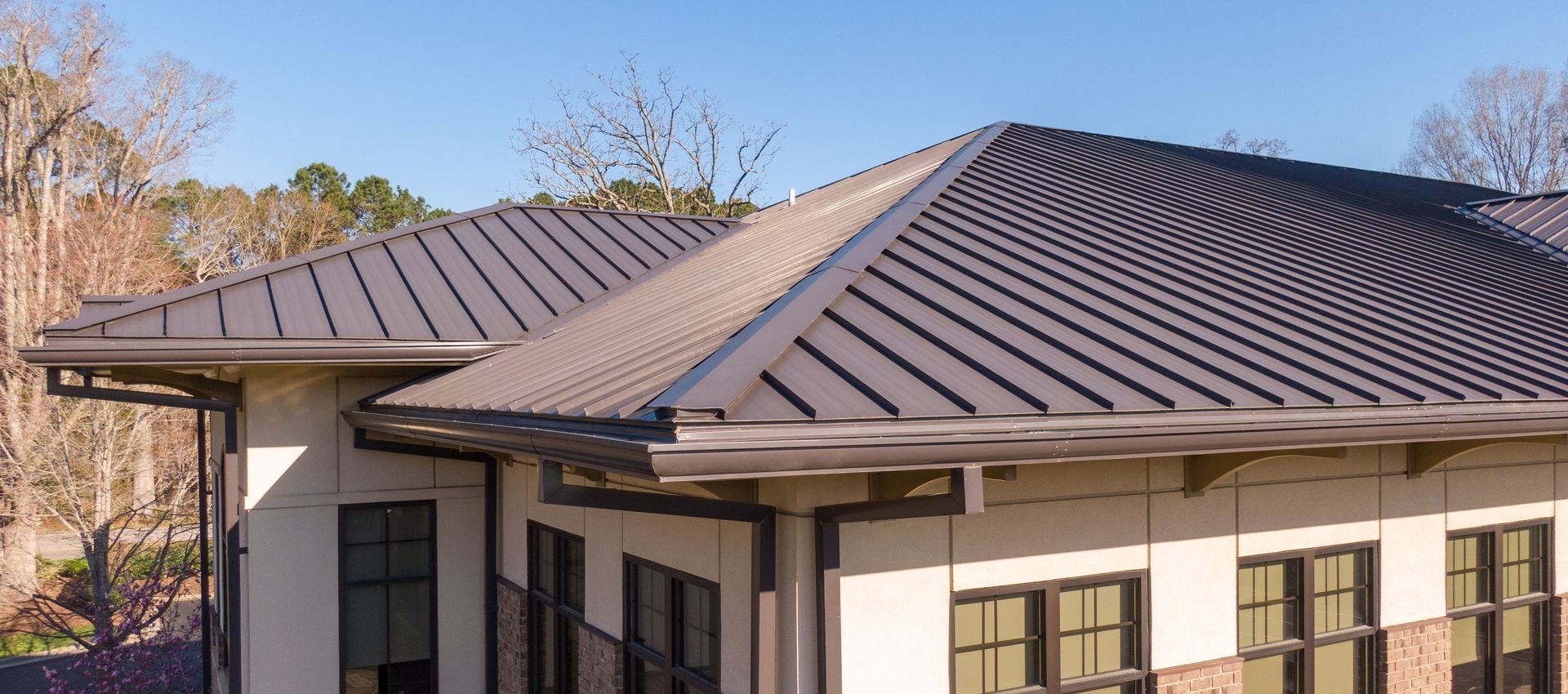
A house with a brown roof and a lot of windows.
By Norman Roofing July 10, 2025
Let’s take a closer look at standing seam metal roofs, which are a popular choice for many Mississippi businesses, and break down the key pros and cons to help you decide if it’s the right fit for your property.
Two men are cutting a tree with a chainsaw.
By Norman Roofing June 20, 2025
To help protect your property and maintain a safe environment, we’ve outlined several important measures that Mississippi and Alabama business owners can take to prepare their commercial roofs ahead of severe weather.
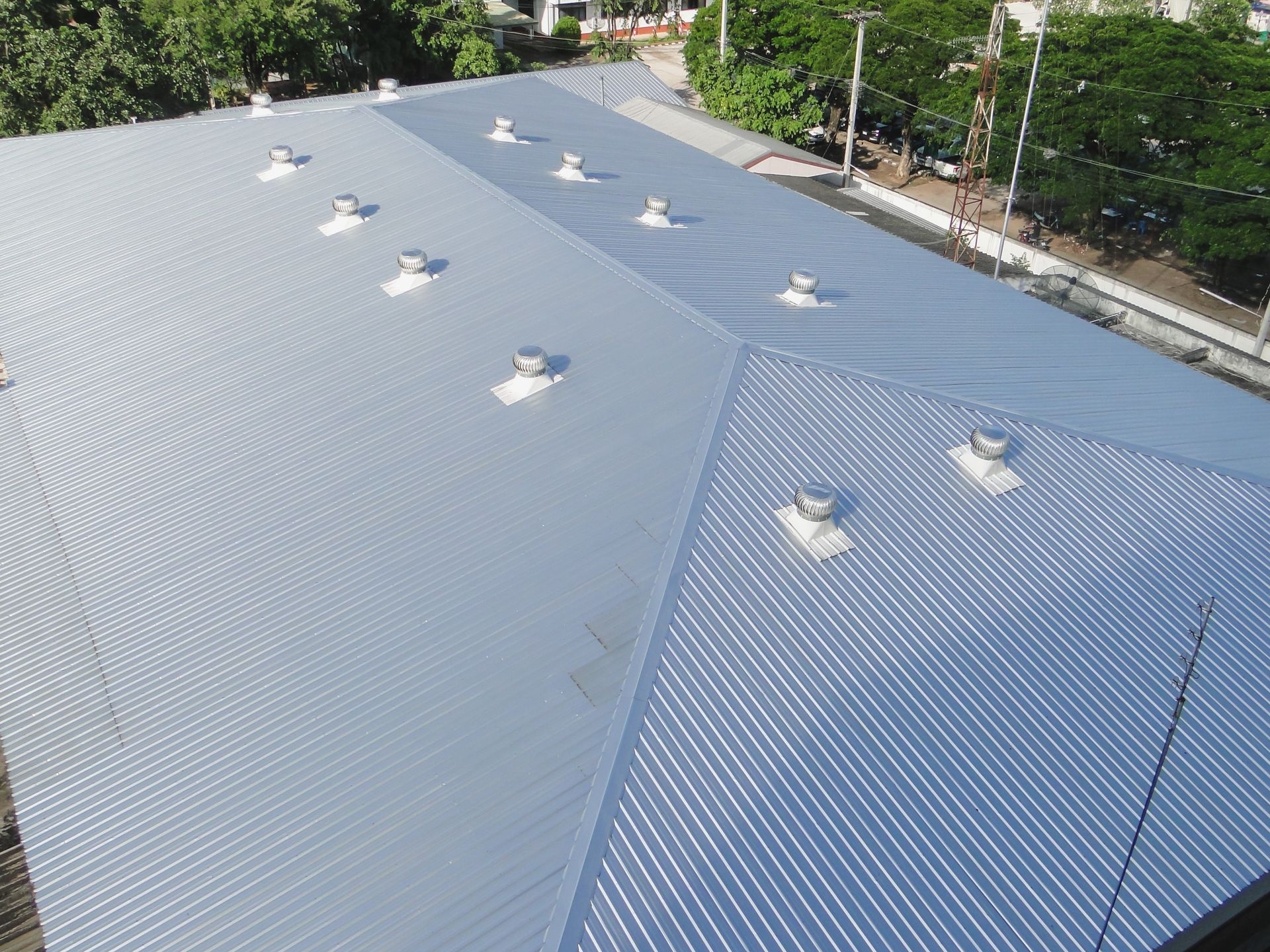
An aerial view of a roof with a lot of vents on it.
By Norman Roofing June 20, 2025
Whether you’ve recently installed a new metal roof or want to extend the life of your existing one, these four essential tips will help you protect your investment and avoid costly repairs down the road.
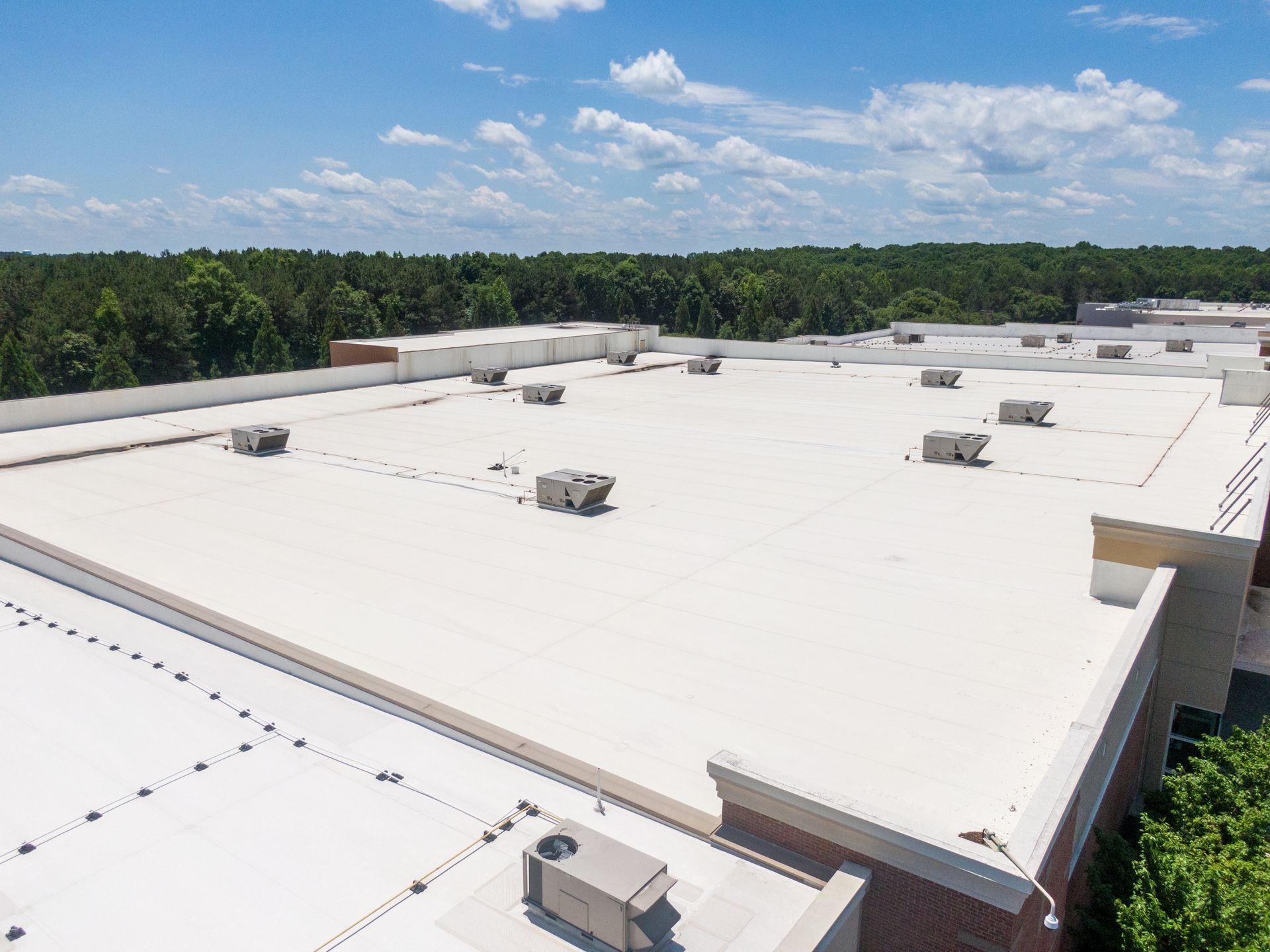
The roof of a building with a white roof and trees in the background.
By Norman Roofing May 23, 2025
Check out Norman Roofing's comprehensive guide for low-slope roofing materials. Our goal is to keep MS and AL businesses informed about their roofing options.
More Posts